Hellfire Pass Memorial Museum
฿
City: Kanchanaburi
Category: Kanchanaburi
🔥 Hellfire Pass Memorial Museum
📍 Overview
The Hellfire Pass Memorial Museum is one of the most powerful and emotionally moving
World War II memorial sites in Thailand. Located in a remote mountainous area of
Kanchanaburi Province, the museum commemorates the suffering and sacrifice of Allied
prisoners of war (POWs) and Asian laborers who were forced to construct the Thailand–Burma
Death Railway during World War II.
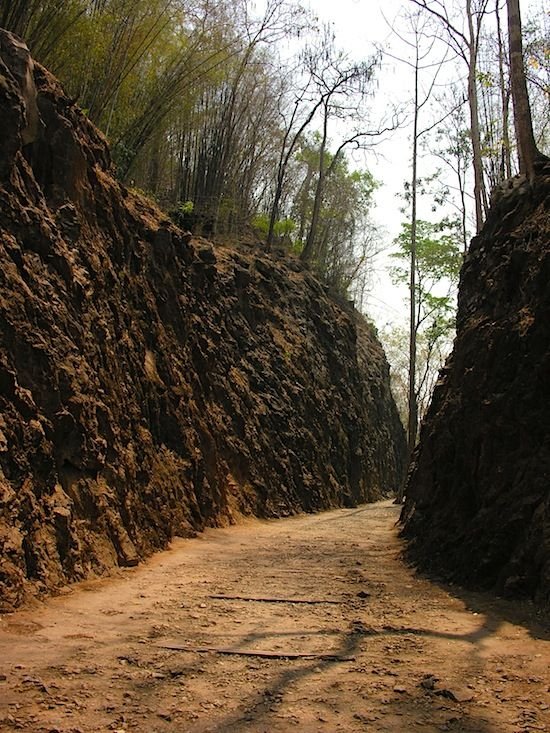
Unlike traditional museums, Hellfire Pass combines historical exhibits with an outdoor
memorial trail, allowing visitors to walk along the original railway cutting where countless lives
were lost.
📜 Historical Background
Between 1942 and 1943, the Japanese Imperial Army ordered POWs and forced laborers to
carve a railway through dense jungle and solid rock to create a supply route to Burma
(Myanmar).
Hellfire Pass was one of the most brutal sections of this railway. Prisoners were forced to:
Cut through hard rock using hand tools
Work extremely long hours with minimal food
Labor while sick, injured, or exhausted
Nighttime labor was common, lit only by oil lamps and torches. The sight of emaciated prisoners
working in darkness reportedly resembled a scene from hell, which led survivors to name this
place Hellfire Pass.
Thousands of men died here from disease, starvation, exhaustion, and abuse.
🏛️ The Memorial Museum
The Hellfire Pass Memorial Museum was established to preserve the memory of those who
suffered and died at this site. The museum is maintained with the support of the Australian
government and former POW associations.
Inside the museum, visitors will find:
Detailed historical panels explaining the Death Railway
Personal stories and testimonies of POWs
Photographs, drawings, and letters from the wartime period
Maps and models showing the railway route and cuttings
The exhibits are well-researched and presented in clear English, making the museum highly
educational.
🚶 The Hellfire Pass Walking Trail
One of the most significant parts of the visit is the walking trail, which leads visitors down into
the original railway cutting.
Highlights of the trail include:
The original rock cutting carved by hand
Memorial plaques honoring fallen POWs
Peaceful forest surroundings contrasting with tragic history
The walk is quiet and reflective, allowing visitors to truly grasp the scale of human effort and
suffering involved.
🕯️ Cultural & Emotional Significance
Hellfire Pass is considered one of the most important WWII memorials in Southeast Asia. It
holds deep emotional meaning for:
Descendants of POWs
Australian, British, and Commonwealth visitors
Historians and educational groups
Every year on ANZAC Day (25 April), a Dawn Service is held at Hellfire Pass, attracting
visitors from around the world to honor those who died.
🚶 Visitor Experience
A full visit typically takes 1.5 to 2 hours, including time spent in the museum and walking the
memorial trail.
Visitors often describe the experience as:
Deeply moving
Respectful and peaceful
Educational and eye-opening
Due to its remote location, Hellfire Pass is best visited as part of a guided tour or with private
transportation.
ℹ️ Visitor Information
Location: Sai Yok District, Kanchanaburi Province
Opening Hours: Daily, approximately 09:00 – 16:00
Entrance Fee: Free (donations appreciated)
Recommended Visit Duration: 1.5–2 hours
Best Time to Visit: Morning (cooler weather, quieter atmosphere)
Getting There
Private car or guided tour from Kanchanaburi or Bangkok
Approximately 1.5–2 hours from Kanchanaburi town
📸 Travel Tips
Wear comfortable walking shoes (uneven paths)
Bring water and sun protection
Keep noise to a minimum (memorial site)
Photography allowed, but be respectful
Avoid peak midday heat
⭐ Why Visit Hellfire Pass Memorial Museum
✔️ One of Thailand’s most important WWII memorial sites
✔️ Authentic Death Railway cutting you can walk through
✔️ Powerful educational and emotional experience
✔️ Well-presented museum with real POW stories
✔️ Essential stop on any Kanchanaburi WWII heritage route